
Most brands are playing a losing game.
They publish nine posts a day, pray to the algorithm, and wonder why their engagement continues to flatline. It is a sterile, automated approach to a medium that is built entirely on human connection. They treat social media as a volume game, hoping that raw quantity will compensate for a complete lack of strategic depth.
Here is the brutal truth.
Chasing fleeting virality is a dying strategy. The shelf life of attention is shorter than ever. When you build your entire marketing channel around temporary spikes, you do not build a sustainable business. You build a treadmill that requires constant, exhaustive running just to stay in the exact same place.
In 2026, the social media landscape is undergoing a profound, systemic shift. The winners are not the creators posting the most volume. The winners are the systems architects who build deep resonance, community-driven narratives, and leverage autonomous background operations to manage the logistical friction of content delivery.
Success requires moving away from superficial metrics. You must stop focusing on likes and raw view counts. You must focus on watch time, share velocity, and direct message distribution. If you are still using the playbook from two years ago, your brand is effectively invisible to the modern consumer.
I have built my business by treating social media as a precise, data-driven science. I do not guess what works. I build systems that analyze audience behavior, find the exact friction points in the conversion funnel, and optimize for long-term customer retention. This approach is not about chasing trends: it is about building a permanent digital moat.
Let us look at the core data that is shaping the digital landscape right now.
Look at these numbers carefully.
The gap between the volume-chasers and the high-impact leaders is widening rapidly. If you post nine times a day without absolute strategic alignment, you are simply contributing to the noise. You are fatiguing your audience, diluting your brand message, and signaling desperation to the algorithms.
To win in this environment, you must understand how to navigate the new landscape with precision. Here is the comprehensive blueprint to transition your brand from fleeting virality to deep, predictable resonance.
The Synergy of Short-Form and Long-Form Video
Video content remains the primary language of social media. However, the way we structure our video campaigns has completely changed.
In the past, you were told to pick a side. Some experts argued that short-form was the only way to grow. Others insisted that long-form was necessary for depth. Both sides were wrong. They failed to see that the two formats are not competitors: they are parts of a single, unified attention funnel.
The solution is not a binary choice. It is a strategic synergy. By combining the rapid discovery of short-form with the deep authority of long-form, you build a journey that moves a cold viewer to a paying customer in a matter of days.
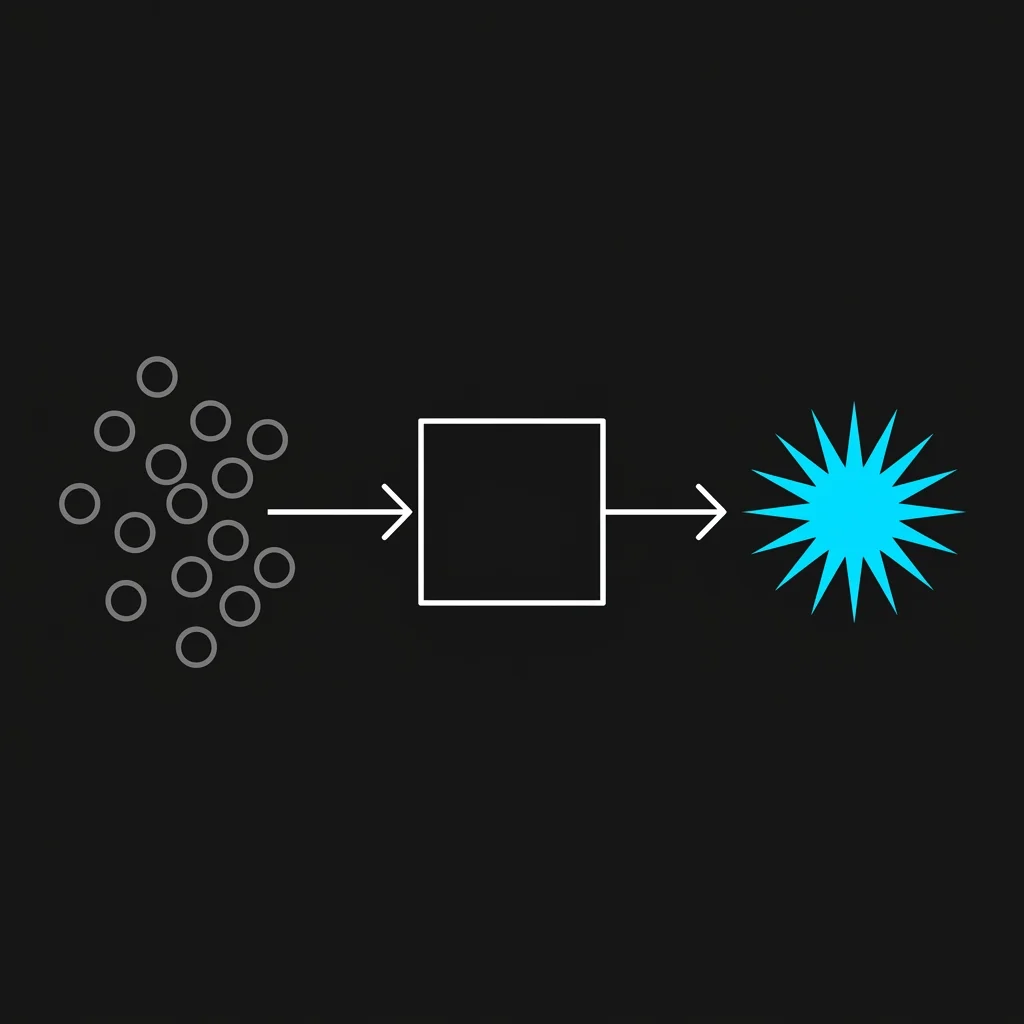
Deep Dive: The Attention Capture Funnel
Short-form video is your top-of-funnel engine. It is designed for discovery, rapid engagement, and algorithmic reach. Platforms like TikTok, Reels, and YouTube Shorts allow you to capture a cold audience within seconds by using highly concentrated hooks.
However, short-form alone cannot build deep customer loyalty. It is too transactional. A user who watches a fifteen-second clip does not buy your product: they scroll to the next video.
This is where long-form video becomes your primary engine for conversion. With Instagram extending Reels up to twenty minutes and YouTube remaining the anchor for authoritative creator culture, you have the room to tell detailed stories, answer objections, and showcase expertise.
The synergy is simple: you use short-form to tease the narrative, and you use long-form to deliver the comprehensive value.
Think about GoPro. They do not just post high-octane clips of skiers on Instagram. That is their short-form hook. It grabs attention in less than two seconds and stops the scroll.
But when they want to build actual authority, they direct those viewers to YouTube. On YouTube, they host twenty-minute documentaries showing the creator behind the footage. They showcase product versatility through cooking collaborations. They turn a quick visual clip into an immersive story. They do not just show the camera: they show the lifestyle, the struggles, and the human triumph behind the lens.
To implement this in your business, you must master the Hook-Story-Offer framework for your short-form content. This framework ensures that every second of your video serves a precise operational purpose.
Your hook must grab attention in the first three seconds using a visual pattern interrupt or a direct, contrarian question. Your story must deliver a fast, high-density lesson that provides immediate utility. Your offer must naturally lead them to the long-form asset or a dedicated landing page. Do not sell your product in the short-form: sell the click to the next stage of the funnel.
Vary your pacing constantly. Break up long monologues with quick visual cuts and bold text overlays. Make the content feel active and dynamic, not static. If a viewer feels a single second of friction or boredom, they will swipe away.
Let us explore how you build background systems to support this content engine without burning out your team.
Autonomous Leverage: Moving from Chatbots to Cloud Operators
Most marketers are using artificial intelligence completely wrong.
They open a browser, type a simple prompt, copy a generic caption, and publish it. They think they are leveraging technology. In reality, they are wasting time. They are using advanced, low-latency models to generate more noise, contributing to the very content fatigue that kills reach.
The real leverage is not conversational. The real leverage is autonomous background execution.
In 2026, the industry is transitioning away from passive chatbots that sit dormant, waiting for a human prompt. The new paradigm belongs to active cloud operators: autonomous agents that run in the background, working while you sleep, and executing complex workflows based on high-level direction.

Deep Dive: The Background Execution Layer
You can deploy specialized agents to manage your entire research and publishing pipeline. These background systems monitor social listening metrics. They track trending topics across multiple platforms. They compile detailed briefs, scrape competitor structures, and flag emerging opportunities before they become mainstream.
This allows your human team to focus entirely on quality assurance, creative direction, and strategic positioning. You become the systems architect: defining the rules, establishing the guardrails, and monitoring the outputs, while the technology manages the logistical friction.
Consider tools like the Trellis AI agent. It does not just summarize your past posts. It analyzes audience sentiment, predicts shifts in consumer preferences, and provides real-time strategic insights based on billions of data points. It works as a highly advanced chief of staff, preparing actionable recommendations for your review.
However, this shift requires absolute transparency. Over half of all social media users express concern when brands post synthetic content without clear disclosure. Trust is your most valuable asset. If your audience suspects that your entire presence is automated and synthetic, your authority collapses.
Use technology to handle the operational details: the parsing, the scheduling, the initial data collection, and the formatting of structured templates. But protect the creative soul of your brand. Let your voice remain human, raw, and opinionated. Do not let AI write your opinions: let it compile the data so you can form better opinions.
The future belongs to the brands that combine deep database automation with authentic, unfiltered human connection. Let us look at how this data-driven approach affects discoverability across the web.
This shift is staggering and permanent.
Social search is no longer a minor trend. It is the new battleground for customer acquisition. Younger generations are not looking for sterile corporate websites: they are looking for real-world reviews, how-to demonstrations, and active conversations.
If your content is not optimized for platform search algorithms, you do not exist to the largest demographic of buyers. You must adapt your SEO strategy to match this new reality.
Social Search Optimization and Answer Engine Optimization
Most creators still write captions as an afterthought. They slap a few generic hashtags at the bottom and hope for the best. They do not realize that social search engines behave exactly like traditional search engines, using advanced processing to index and rank content.
To win the search game in 2026, you must master Social Search Optimization and Answer Engine Optimization.
First, write descriptive, keyword-rich captions. Treat your captions like mini-blog posts. The algorithms index every word you write. They also transcribe and index the words you speak in your videos and the text you display on the screen. If you do not speak your primary keywords, you lose search visibility.
Second, structure your content to provide direct, concise answers. When Meta AI or other search systems summarize information to answer user queries, they look for structured patterns. Use numbered lists, clean headings, and bullet points to make your content easy for search crawlers to parse and extract.
Furthermore, social content now ranks highly in traditional search engine results pages. This is because high-engagement social posts signal authority and expertise. By satisfying these criteria, your social presence lifts your entire digital ecosystem, driving organic traffic back to your core brand assets.
Make your content search-friendly. Stop guessing what your audience wants. Look at their search intent, build highly specific answers, and let the algorithms drive the traffic directly to your profile. Focus on providing massive utility in every single post.
The Trend Heat Index: Strategic Cultural Response
To maintain a dynamic, modern brand presence, you must respond to cultural moments in real-time. But you cannot afford to jump on every passing meme. That is how you dilute your brand identity and look desperate for attention.
You need a systematic framework to evaluate opportunities. We use the Trend Heat Index to guide our strategic choices, ensuring that every activation aligns with our core identity.
Look at how Sleep Country or RBC reacted to major pop-culture music video releases. They did not wait for a formal contract or a three-month planning cycle. They identified the visual reference, built a self-aware, reactive post, and published it within hours. They rode the wave of cultural momentum while it was hot.
Similarly, consider Edikted's nostalgia-driven collaborations. They did not just launch a static product line. They leveraged creator-led styling reels, turning a traditional fashion launch into an ongoing pop-culture conversation. They mixed the familiar comfort of nostalgia with modern creator agility.
To succeed, you must be agile. You must monitor pop culture with genuine interest and follow the conversations in real-time. But most importantly, your execution must feel authentic and natural. Forced participation is worse than no participation at all: it alienates your existing followers and makes your brand look foolish.
Let us look at how you synthesize all these trends into a cohesive, future-proof strategy.
Actionable Framework: Implementing Your 2026 Strategy
Building a future-proof brand is not a matter of luck. It is a systematic process of audit, design, execution, and continuous optimization.
Stop reacting to daily changes with anxiety. Implement this structured framework to command your market with clarity and build a lasting content engine.
Deploy social listening systems to track audience sentiment. Stop analyzing vanity metrics. Look strictly at shares, saves, and search volume to understand what your market actually wants, rather than what they say they want.
Define your narrative world. Highlight recognizable characters, tell serialized stories, and focus on consistency. Build a distinct personality that followers return to consume, creating an ongoing narrative that builds familiarity.
Set up background operators to automate research, compilation, and scheduling. Let technology manage the operational friction and database synchronization while you protect your creative oversight and final approval gates.
Analyze retention data to find where viewers drop off. Fix your hooks, improve your pacing, and refine your video flow based on objective performance data, not emotional guesswork or outdated beliefs.
This structured workflow is how professional brands scale their operations without losing quality. They build a system that works regardless of their daily mood or motivation levels.
By prioritizing consistency and structure over chaotic creation, you remove the friction that kills momentum. You allow your creative team to do their best work while your autonomous systems manage the delivery details.
Protect your creative attention. Let the background tools handle the routine tasks. Focus entirely on high-level leverage, brand positioning, and meaningful audience connection.
Conclusion: The Moat of Human Resonance
The social media environment of 2026 is highly competitive and saturated, but it is also highly predictable for those who build the right systems.
If you continue to chase fleeting algorithms and temporary trends, you will remain invisible. You will burn out trying to keep up with the noise, wasting resources on content that gets swiped away in a fraction of a second.
The future belongs to the systems architects. By combining short-form and long-form video, leveraging autonomous background operators, and optimizing for social search, you build a brand that stands out from the crowd.
But most importantly, protect your humanity. In an era saturated with automated noise and synthetic content, authentic, unfiltered human connection is your ultimate digital moat. Stop trying to look perfect: focus on looking real.
Build your system, protect your attention, and command your market with confidence.
Stop Chasing Algorithms. Start Commanding Data.
AI can automate your tasks, but it cannot define your strategy. Command your market with absolute clarity. Use AnalyzeInsta to track your real audience retention and scale your business on pure data.
Try AnalyzeInsta FreeWritten by Julian Vivaan. CEO, AnalyzeInsta.